

Navigating the landscape of higher education is complex when fraudulent documents enter the professional market. Many organizations are now examining the legitimacy of an 阿魯諾達亞大學假證書 during their standard hiring cycles.
It is essential to recognize the risks associated with 假学位证书 to protect organizational integrity. Employers should remain highly alert to ensure that every new hire possesses the required expertise for their specific role.

Verification procedures are becoming more rigorous as companies strive to maintain elite performance standards. This guide details how these records are identified and what specific red flags you should look for.
We will also cover the legal implications and the impact on the global academic community. Verifying credentials is a critical step in building a trustworthy and capable workforce in today’s competitive environment.
主要心得
- Learn to identify suspicious academic documents quickly and effectively.
- Understand the serious legal risks of using fraudulent degrees in the US.
- Discover how modern employers verify international education records.
- Explore the long-term impact of unverified credentials on professional careers.
- Improve your organization’s background screening process with proven steps.
- Protect your professional reputation from the dangers of credential fraud.
理解 阿魯諾達亞大學 and Its Accreditation Status
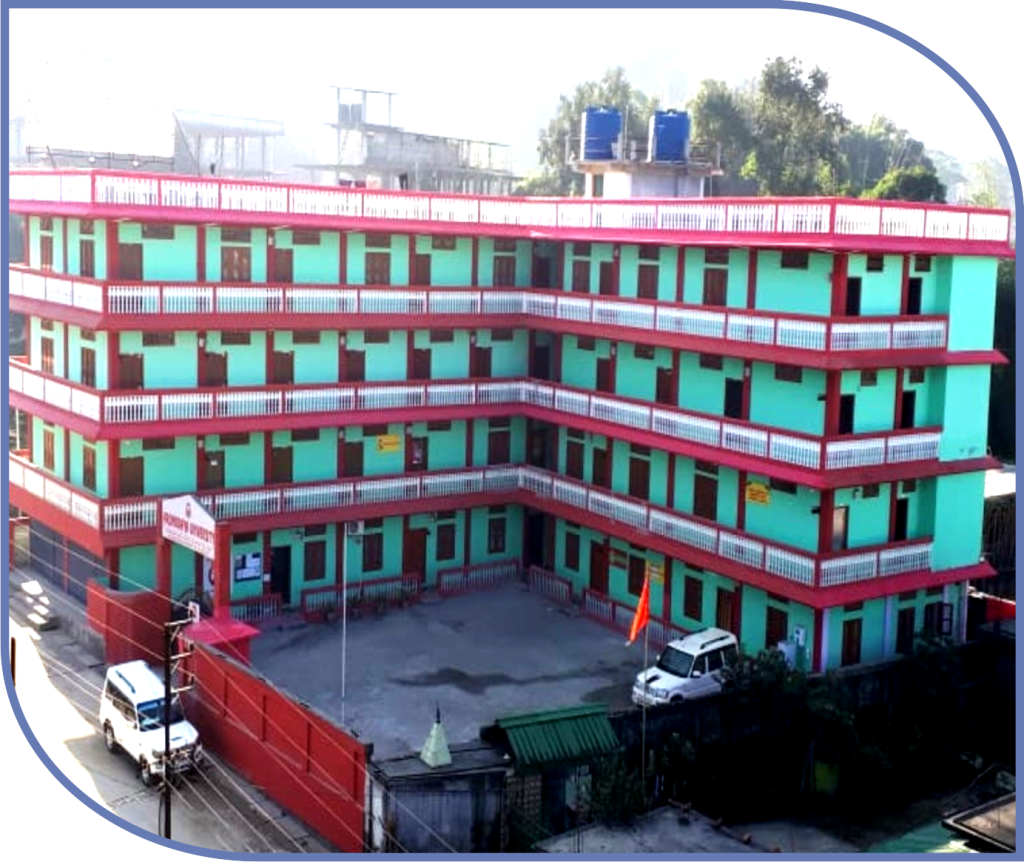
Understanding the background and current accreditation status of Arunodaya University is essential for prospective students and employers alike to gauge the authenticity and value of degrees issued by this institution.
Background of Arunodaya University
Arunodaya University, like many other educational institutions, has a history that contributes to its current standing. Established with the aim of providing higher education, the university has evolved over time. However, concerns regarding its accreditation status have raised questions about its legitimacy.
The university’s background is marked by its establishment and initial recognition. However, the crucial aspect of its history is tied to its accreditation and any changes or issues related to it over the years.
Current Accreditation and Recognition Status
The current accreditation status of Arunodaya University is a critical factor in determining the validity of its degrees. Accreditation is a process by which an external body evaluates an institution’s quality and standards. Accreditation status can significantly impact the recognition of degrees and the employability of graduates.
| Accreditation Criteria | Status | Implications |
|---|---|---|
| Recognized by Education Authorities | 沒有 | Degrees may not be recognized |
| Accredited by Reputable Bodies | 沒有 | Limited international recognition |
| Compliance with Educational Standards | Unknown | Variable quality of education |
Regulatory Actions Taken Against the Institution
Regulatory actions against Arunodaya University have been a subject of concern. Various educational authorities and regulatory bodies have taken steps to address issues related to its accreditation and the authenticity of its degrees.
These actions underscore the importance of verifying the accreditation status of any educational institution before pursuing a degree or recognizing a certificate issued by it.
The Rise of Arunodaya University Fake Certificate Schemes
Arunodaya University fake certificate schemes have seen a significant rise, posing serious threats to the integrity of educational credentials. This development has far-reaching implications for individuals, employers, and the education sector as a whole.
How the Fake Certificate Operation Works
The fake certificate operation typically involves sophisticated networks that create convincing counterfeit documents. These networks often claim affiliation with legitimate institutions like Arunodaya University, making it difficult for unsuspecting individuals to distinguish between real and fake credentials.
Scale and Scope of the Problem
The scale of this problem is vast, with numerous individuals falling prey to these scams worldwide. The scope extends beyond just the academic community, affecting employers and professional bodies who unknowingly validate these fake credentials.
Common Channels Used to Distribute Fake Certificates
The distribution of fake certificates is facilitated through various channels.
Online Diploma Mills and Websites
在線的 文憑工廠 and websites are primary conduits for these scams. They often present themselves as legitimate online educational institutions, offering degrees and certificates for a fee, without requiring actual academic work.
Social media platforms and messaging apps are also exploited by scammers to peddle fake certificates. These platforms offer a wide reach and a degree of anonymity, making it easier for fraudulent activities to go undetected.
As emphasized by a recent report,
“The rise of digital platforms has made it easier for 文憑工廠 to operate, reaching a global audience with convincing but fake credentials.”
This highlights the need for vigilance and robust verification mechanisms.
Types of Fraudulent Certificates Being Issued
A closer look at the types of fraudulent certificates being issued reveals a sophisticated operation. The counterfeiters behind Arunodaya University fake certificates have diversified their offerings to include a wide range of academic and professional documents.
The variety of fake certificates being circulated not only complicates the verification process but also poses significant challenges for employers, educational institutions, and regulatory bodies. As the demand for legitimate credentials continues to grow, so does the supply of fraudulent alternatives.
Undergraduate Degree Certificates
其中最常見的 types of fake certificates is the undergraduate degree certificate. These documents are often used by individuals seeking to enhance their job prospects or gain admission to further education programs. Counterfeiters have become adept at replicating the security features and formatting of legitimate undergraduate degree certificates, making them difficult to distinguish from the real thing.
For instance, a fake undergraduate degree certificate from Arunodaya University might be used by someone looking to secure an entry-level position in a competitive job market. The certificate might be forged to include all the necessary details, such as the university’s logo, the degree earned, and the date of conferment.
Postgraduate and Doctorate Certificates
In addition to undergraduate degrees, fake postgraduate and doctorate certificates are also being issued. These higher-level credentials are often used by individuals seeking to advance their careers or gain recognition in their field. The sophistication of these fake documents can be quite high, with some even including fake transcript records and accreditation details.
The issuance of fake postgraduate and doctorate certificates poses a significant threat to the integrity of academic and professional qualifications. It undermines the value of legitimate degrees and can have serious consequences for employers and institutions that unknowingly accept these documents.
Professional Certification Documents
Beyond academic credentials, counterfeiters are also producing fake professional certification documents in the name of Arunodaya University. These might include certificates in specialized fields such as IT, healthcare, or finance. The creation and distribution of these fake professional certifications can have serious implications for public safety and trust in professional services.
For example, a fake certification in a field like engineering or medicine could be used by an unqualified individual to gain employment, potentially putting others at risk. It’s crucial for employers and regulatory bodies to be vigilant in verifying the authenticity of such documents.
As highlighted by a recent report, “The rise in fake certificates is a global issue that requires a coordinated response from educational institutions, employers, and law enforcement agencies.” This statement underscores the complexity and severity of the problem.
Red Flags: How to Identify Fake Arunodaya University Certificates
Identifying fake Arunodaya University certificates requires a keen eye for detail and knowledge of what to look for. To verify the authenticity of a certificate, one must examine it for several key indicators of legitimacy.
Physical Document Inconsistencies
A genuine certificate is typically printed on high-quality paper with precise printing. Any deviation from this standard could indicate a fake.
Paper Quality and Printing Errors
Fake certificates often have poor paper quality 或 printing errors, such as blurry text or misaligned elements. Genuine certificates have a professional finish.
Logo and Seal Discrepancies
Discrepancies in the university’s logo or official seal can be a clear indicator of a fake certificate. Verify that these elements match the official university branding.
Missing or Incorrect Security Features
Legitimate certificates incorporate various security features to prevent forgery.
水印與雷射攝影
Genuine certificates often include watermarks or holograms that are difficult to replicate. The absence or poor quality of these features can indicate a fake.
Registration Numbers and Verification Codes
Most legitimate certificates come with unique registration numbers or verification codes. Check these against official university records to verify authenticity.
Suspicious Issuance Timelines and Processes
Be wary of certificates issued with unusually quick turnaround times or through unofficial channels.
As one expert notes,
“The rapid issuance of a certificate without proper verification is a significant red flag.”
Legal Consequences of Using Fraudulent Certificates
Using counterfeit Arunodaya University certificates is a serious offense with far-reaching legal implications. Individuals who obtain or use such fraudulent documents expose themselves to a range of legal consequences that can significantly impact their personal and professional lives. The severity of these consequences underscores the importance of understanding the risks associated with fake certificates.
Criminal Charges and Penalties
The use of fraudulent certificates can lead to criminal charges. These charges vary depending on the jurisdiction but often include fraud and forgery.
Federal Fraud Charges
At the federal level, using fake certificates can result in charges under laws related to fraud. Penalties can include significant fines and imprisonment.
State-Level Violations
State laws also address the use of fraudulent documents. Penalties can vary but often include fines and potential jail time.
| Charge Type | Potential Penalty |
|---|---|
| Federal Fraud | Fines up to $250,000, imprisonment up to 5 years |
| State-Level Fraud | Varies by state; fines and imprisonment |
Employment Termination and Career Impact
Beyond legal penalties, individuals using fake certificates risk employment termination if discovered. This can have a lasting impact on their career prospects.
Immigration and Visa Complications
For non-citizens, using fraudulent certificates can lead to immigration and visa complications, potentially resulting in deportation.
The legal consequences of using fraudulent Arunodaya University certificates are severe and can have long-lasting effects on an individual’s life and career. It is crucial for individuals to understand these risks and the potential outcomes of such actions.
Verification Methods for Arunodaya University Certificates
Verifying the authenticity of Arunodaya University certificates is crucial in today’s educational landscape. With the rise of fraudulent certificates, employers and educational institutions must ensure that the credentials presented to them are genuine.
The verification process involves multiple channels and services, each playing a critical role in confirming the legitimacy of Arunodaya University certificates.
Official University Verification Channels
The most reliable method to verify Arunodaya University certificates is through the official university verification channels. This typically involves contacting the university directly via phone or email to confirm the certificate details.
Steps to verify through official channels:
- Obtain the certificate details, including the certificate number and issue date.
- Contact Arunodaya University’s registrar or verification office.
- Provide the certificate details and request verification.
Third-Party Verification Services
Several third-party verification services can assist in authenticating Arunodaya University certificates. These services often have established relationships with educational institutions and can provide quick and reliable verification.
全國學生資料交換中心
The National Student Clearinghouse is a reputable organization that provides verification services for educational credentials. They offer a comprehensive database that includes information from many institutions.
Benefits of using National Student Clearinghouse:
- Access to a vast database of educational records.
- Fast and accurate verification process.
Professional Background Check Companies
Professional background check companies also offer verification services for educational credentials. These companies often provide comprehensive background checks that include education verification.
Advantages of using professional background check companies:
- Comprehensive background checks.
- Verified information from multiple sources.
Government Database Checks
In some cases, government databases can be used to verify educational credentials. This method involves checking government records to confirm the authenticity of certificates.
Government database checks can be particularly useful when:
- The institution is recognized by the government.
- There are regulatory requirements for verification.

Impact on Innocent Certificate Holders
Unaware holders of Arunodaya University fake certificates are at risk of facing serious professional and personal consequences. The issue affects not only those who knowingly obtained fraudulent documents but also individuals who were deceived into believing they were receiving legitimate qualifications.
Students Who Enrolled in Good Faith
Many students may have enrolled in Arunodaya University programs genuinely believing they were enrolling in a legitimate institution. These students, often from abroad or with limited information about the university’s accreditation status, trusted the institution’s representations.
“I was misled by the university’s website and promotional materials, which appeared legitimate and convincing.” – A statement from an affected student illustrates the problem.
Professional and Personal Consequences
The consequences for individuals holding fake certificates can be severe. Professionally, they may face:
- Job loss upon discovery of the fraudulent qualification
- Difficulty finding new employment due to the tarnished reputation
- Legal repercussions, including potential criminal charges
Personally, the stress and loss of reputation can have lasting effects.
Options for Affected Individuals
Affected individuals have several potential courses of action. They may:
- Seek legal counsel to understand their rights and potential liabilities
- Contact relevant educational authorities to report the situation
- Explore options for obtaining legitimate qualifications to replace the fraudulent ones
As one legal expert noted,
“It’s crucial for individuals in this situation to act promptly and seek professional advice to mitigate the consequences.”
How Employers Can Detect Fake Certificates
Detecting fake certificates requires a combination of advanced background screening and vigilant hiring practices. Employers must be proactive in verifying the credentials of potential employees to prevent the misuse of fraudulent documents.
Enhanced Background Screening Procedures
Employers can significantly enhance their background screening procedures by incorporating advanced technologies and thorough checks. This includes:
- Utilizing specialized software to verify the authenticity of documents
- Conducting thorough checks with educational institutions
- Reviewing documentation for inconsistencies and red flags
As noted by John Smith, a background screening expert, “The key to effective background screening is a multi-layered approach that includes both technological solutions and human oversight.”
Direct University Verification Protocols
Direct verification with the issuing university is a crucial step in confirming the authenticity of a certificate. Employers should:
- Contact the university directly using contact information obtained from official sources
- Request confirmation of the certificate details, including the degree awarded and date of issuance
- Be wary of unofficial or third-party verification services
| 驗證方法 | 可靠性 | Recommendation |
|---|---|---|
| Direct University Verification | 高 | Preferred Method |
| Third-Party Verification Services | 多變的 | Use with Caution |
| Document Review Only | 低的 | Not Recommended Alone |
Warning Signs During the Hiring Process
Employers should be vigilant for certain behaviors or inconsistencies during the hiring process that may indicate the use of a fake certificate.
Vague or Evasive Responses About Education
Candidates who are evasive or vague about their educational background may be hiding something. Employers should:
- Press for specific details about their education
- Verify the information provided against other sources
Reluctance to Provide Original Documents
A reluctance to provide original documents or official transcripts can be a significant red flag. Employers should:
- Insist on seeing original documents
- Verify the authenticity of the documents with the issuing institution
“The integrity of our hiring process is paramount. We cannot afford to compromise on verifying the credentials of our employees.”
— Jane Doe, HR Director
By implementing these measures, employers can significantly reduce the risk of hiring individuals with fake certificates, thereby protecting their organization’s integrity and reputation.
Protecting Yourself from Fake Certificate Scams
As you navigate the complex world of higher education, it’s crucial to understand how to shield yourself from fraudulent certificate scams. The key to protection lies in being informed and vigilant throughout your educational journey.
Researching University Accreditation Before Enrollment
One of the most critical steps in avoiding fake certificate scams is to thoroughly research the accreditation status of any institution you’re considering. This involves checking multiple sources to verify the university’s legitimacy.
Checking Department of Education Databases
The U.S. Department of Education maintains a database of accredited institutions. You can verify a university’s accreditation status by checking this database.
Verifying Regional Accreditation Bodies
Regional accreditation bodies are responsible for accrediting institutions within specific geographic regions. Ensuring that a university is regionally accredited is a crucial step in verifying its legitimacy.
| Accreditation Body | Region | 聯絡資訊 |
|---|---|---|
| Higher Learning Commission | North Central Region | https://www.hlcommission.org/ |
| Middle States Commission on Higher Education | Middle States Region | https://www.msche.org/ |
| New England Commission of Higher Education | New England Region | https://www.neche.org/ |
Verifying Recognition by Education Authorities
Beyond accreditation, it’s essential to verify that the institution is recognized by relevant education authorities. This recognition is a further assurance of the institution’s legitimacy and the value of its certificates.
Avoiding Too-Good-to-Be-True Degree Offers
Being cautious of degree offers that seem too good to be true is crucial. If an institution promises unusually quick or easy degrees, it’s likely a scam.
Red flags to watch out for include:
- No entrance exams or minimal admission requirements
- Promises of guaranteed degrees without significant academic work
- Lack of transparency about the institution’s accreditation or recognition status

By being diligent and doing your research, you can significantly reduce the risk of falling victim to fake certificate scams. Always verify the legitimacy of an institution before enrolling.
Reporting Fake Certificate Operations
Reporting fake certificate operations is a critical step in preventing further fraud and protecting innocent individuals. When encountering or suspecting a fake Arunodaya University certificate scheme, it’s essential to know the appropriate channels for reporting.
Government Agencies to Contact
Several government agencies are equipped to handle reports of fake certificate operations. These include:
Federal Trade Commission
The Federal Trade Commission (FTC) is a key agency for reporting fraudulent activities, including fake certificate operations. The FTC can be contacted online or by calling their dedicated helpline.
State Attorneys General
State Attorneys General offices are another crucial point of contact. They can investigate and prosecute cases involving fake certificates within their respective states.
Law Enforcement Reporting Procedures
Reporting to law enforcement is a vital step in combating fake certificate operations. Individuals can file a report with their local police department or contact the FBI if the fraud involves interstate activities.
| Agency | Contact Method | 目的 |
|---|---|---|
| Federal Trade Commission | Online Complaint Assistant or 1-877-FTC-HELP | Reporting fraudulent activities |
| State Attorneys General | Varies by state; typically online or phone | Investigating and prosecuting state-level fraud |
| Local Law Enforcement | Local police department or sheriff’s office | Filing reports on local fraud activities |
Educational Regulatory Bodies
Notifying educational regulatory bodies is also crucial. These organizations can take action against institutions involved in issuing fake certificates.
By reporting fake certificate operations to the appropriate agencies, individuals can play a significant role in preventing further fraud and ensuring the integrity of educational credentials.
Legitimate Alternatives for Distance Education
Legitimate distance education is now more accessible than ever, thanks to accredited online universities and international programs. This section will explore these alternatives, providing prospective students with the information needed to make informed decisions.
Accredited Online Universities
The United States is home to numerous accredited online universities that offer a wide range of programs. These institutions are recognized by accrediting agencies approved by the U.S. Department of Education.
Some of the top accredited online universities in the U.S. include:
- Arizona State University Online
- University of Florida Online
- Penn State World Campus
International Distance Learning Programs
Beyond the U.S., there are many recognized international distance learning programs. These programs are offered by universities that are accredited by their respective national accrediting bodies.
Examples include:
- The Open University (UK)
- University of South Africa
- Athabasca University (Canada)
Verification Resources
To ensure the legitimacy of a distance education program, prospective students can use various verification resources.
| Resource | 描述 |
|---|---|
| U.S. Department of Education’s Database | Provides information on accredited institutions in the U.S. |
| INQAAHE | Lists recognized quality assurance agencies worldwide. |
| NACES | Offers guidance on evaluating foreign credentials. |
結論
The issue of Arunodaya University fake certificates is a serious concern that affects not only the individuals holding these fraudulent documents but also employers and the education system as a whole. As discussed, identifying fake certificates requires vigilance and knowledge of the red flags, such as physical document inconsistencies and missing security features.
Verifying the authenticity of certificates through official university channels or third-party verification services is crucial in preventing the misuse of fraudulent documents. Employers must implement robust background screening procedures to detect fake certificates and protect their organizations from potential legal and reputational risks.
Ultimately, a conclusion on Arunodaya University fake certificates highlights the need for continued awareness and education on this issue. By understanding the risks associated with fake certificates and taking proactive steps to verify their authenticity, individuals and organizations can mitigate the impact of these fraudulent activities.
常見問題
Is Arunodaya University currently recognized by the University Grants Commission (UGC)?
儘管 阿魯諾達亞大學 is established as a private university in Arunachal Pradesh, its authority to offer certain programs, particularly through distance education, is subject to strict UGC 和 Distance Education Bureau (DEB) regulations. Potential students must verify the specific academic session 和 course approval on the official UGC website to avoid obtaining an invalid or unrecognized degree.
What are the primary physical indicators of a fake Arunodaya University certificate?
一個: Fraudulent documents often exhibit low-quality printing, misaligned logos, and spelling errors. Genuine certificates typically include high-security features such as intaglio printing, latent images, and unique 全息圖. Any discrepancy in the paper weight or the lack of a UV-visible seal should be considered a major red flag.
Employers should utilize direct verification protocols by contacting the Office of the Controller of Examinations at the university. Additionally, utilizing professional background screening services like First Advantage 或 HireRight ensures that educational credentials are cross-referenced against official databases and National Academic Depository (NAD) records.
Can I use a credential evaluation service like WES for an 阿魯諾達亞大學學位?
是的,, World Education Services (WES) 和 Academic Evaluation Services (AES) can evaluate degrees from 阿魯諾達亞大學 for use in the United States and Canada. However, if the university is flagged for accreditation issues or if the specific document is identified as a 假证, these agencies will issue a non-equivalence report, which can alert authorities to potential fraud.
What are the legal risks of presenting a fraudulent degree for a U.S. Visa application?
Submitting a fake educational certificate 到 U.S. Citizenship and Immigration Services (USCIS) or a U.S. Embassy constitutes material misrepresentation. This can lead to a permanent inadmissibility finding under the Immigration and Nationality Act, alongside potential federal fraud charges and immediate deportation.
Where should I report a website selling fake Arunodaya University diplomas?
You should report such operations to the Federal Trade Commission (FTC) in the United States or the Internet Crime Complaint Center (IC3). In India, reporting should be directed to the Department of Higher Education 和 Cyber Cell of the local police to dismantle these 文凭工厂 networks.
Are there legitimate accredited alternatives for distance learning?
Yes. Students seeking legitimate distance education should consider institutions with regional accreditation, such as Arizona State University (ASU) Online, 普渡全球, 或 Southern New Hampshire University (SNHU). These institutions are recognized by the U.S. Department of Education and provide verifiable degrees that are widely accepted by global employers.
What should I do if I unknowingly purchased a certificate from a scammer?
If you have been a victim of a certificate scam, cease using the document immediately. You should contact legal counsel and document all communications with the fraudulent provider. For future education, always consult the Council for Higher Education Accreditation (CHEA) database to ensure the institution maintains valid accreditation status.